
Saturday, September 18, 2010


Thursday, September 16, 2010
Causes of road to nature

They urged the Tanzanian government to look at an alternative route that runs far south of the UN-listed haven.
The planned road slashes right across the annual migratory route taken by 1.3 million wildebeest, part of the last great mass movements of animals on earth, they said.
The wildebeest play a vital role in a fragile ecosystem, maintaining the vitality of Serengeti's grasslands and sustaining threatened predators such as lions, cheetahs and wild dogs, they said.
In other parks, such as Canada's Banff National Park, Etosha National Park in Namibia and the Kgalagadi Transfrontier Park in Botswana, fences and roads on migratory routes have triggered a collapse in the ecosystem, the scientists said.
"Simulations suggest that if wildebeest access to the Mara river in Kenya is blocked, the population will fall to less than 300,000," they said.
"This would lead to more grass fires, which would further diminish the quality of grazing by volatilising minerals, and the ecosystem could flip into being a source of atmospheric CO2."
The idea of linking Tanzania's coast to Lake Victoria and Uganda, Rwanda, Burundi and the Democratic Republic of Congo has been around for two decades.
With Tanzania due to stage elections next month, the scheme has gained in priority because of increasing foreign interest in exploiting the mineral wealth of central Africa, the commentary said.
The proposed road would cut a broad swathe 50 kilometres long through the northern part of the 14,763 square kilometre Serengeti National Park, close to the border with Kenya.
The alternative route invoked by the experts would be around 250 kilometres farther south, below the Ngorongoro Conservation Area.
Monday, September 13, 2010
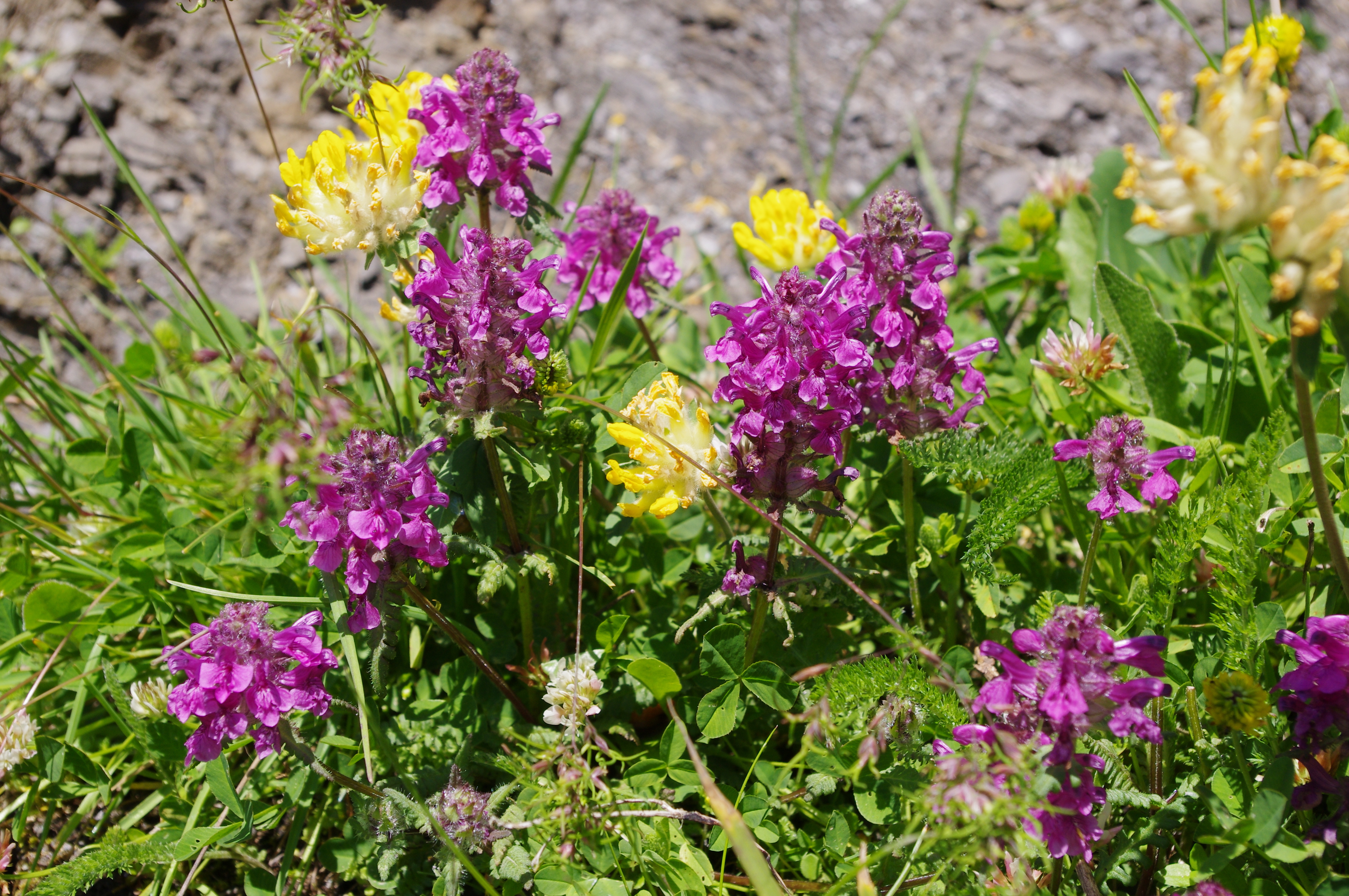
Within the various uses of the word today, "nature" may refer to the general realm of various types of living plants and animals, and in some cases to the processes associated with inanimate objects–the way that particular types of things exist and change of their own accord, such as the weather and geology of the Earth, and the matter and energy of which all these things are composed. It is often taken to mean the "natural environment" or wilderness–wild animals, rocks, forest, beaches, and in general those things that have not been substantially altered by human intervention, or which persist despite human intervention. For, example, manufactured objects and human interaction generally are not considered part of nature, unless qualified as, for example, "human nature" or "the whole of nature". This more traditional concept of natural things which can still be found today implies a distinction between the natural and the artificial, with the artificial being understood as that which has been brought into being by a human consciousness or a human mind. Depending on the particular context, the term "natural" might also be distinguished from the unnatural, the supernatural, and the artifactual.
Within the various uses of the word today, "nature" may refer to the general realm of various types of living plants and animals, and in some cases to the processes associated with inanimate objects–the way that particular types of things exist and change of their own accord, such as the weather and geology of the Earth, and the matter and energy of which all these things are composed. It is often taken to mean the "natural environment" or wilderness–wild animals, rocks, forest, beaches, and in general those things that have not been substantially altered by human intervention, or which persist despite human intervention. For, example, manufactured objects and human interaction generally are not considered part of nature, unless qualified as, for example, "human nature" or "the whole of nature". This more traditional concept of natural things which can still be found today implies a distinction between the natural and the artificial, with the artificial being understood as that which has been brought into being by a human consciousness or a human mind. Depending on the particular context, the term "natural" might also be distinguished from the unnatural, the supernatural, and the artifactual.
Within the various uses of the word today, "nature" may refer to the general realm of various types of living plants and animals, and in some cases to the processes associated with inanimate objects–the way that particular types of things exist and change of their own accord, such as the weather and geology of the Earth, and the matter and energy of which all these things are composed. It is often taken to mean the "natural environment" or wilderness–wild animals, rocks, forest, beaches, and in general those things that have not been substantially altered by human intervention, or which persist despite human intervention. For, example, manufactured objects and human interaction generally are not considered part of nature, unless qualified as, for example, "human nature" or "the whole of nature". This more traditional concept of natural things which can still be found today implies a distinction between the natural and the artificial, with the artificial being understood as that which has been brought into being by a human consciousness or a human mind. Depending on the particular context, the term "natural" might also be distinguished from the unnatural, the supernatural, and the artifactual

Nature
Nature, in the broadest sense, is equivalent to the natural world, physical world, or material world. "Nature" refers to thephenomena of the physical world, and also to life in general. It ranges in scale from the subatomic to the cosmic.
The word nature is derived from the Latin word natura, or "essential qualities, innate disposition", and in ancient times, literally meant "birth". Natura was a Latin translation of the Greek word physis (φύσις), which originally related to the intrinsic characteristics that plants, animals, and other features of the world develop of their own accord.The concept of nature as a whole, the physical universe, is one of several expansions of the original notion; it began with certain core applications of the word φύσις by pre-Socratic philosophers, and has steadily gained currency ever since. This usage was confirmed during the advent of modern scientific method in the last several centuries.
Subscribe to:
Posts (Atom)


